

You land in Cabo.
The sun is shining. The ocean is impossibly blue. A warm breeze rolls across the pool deck, and within an hour you've got a margarita in your hand.
Everything feels effortless. Then, a few hours later, you notice the headache.
You're unusually tired. Your mouth feels dry. You can't seem to drink enough water, and somehow, you're exhausted before dinner even starts.
That's not bad luck. It's Cabo doing exactly what it does to thousands of visitors every day.
Most people arrive expecting a tropical beach destination. What they don't realize is that Los Cabos sits within the Sonoran Desert and is one of the driest regions in North America. The combination of desert heat, intense UV exposure, low humidity, and cooling ocean breezes creates the perfect environment for dehydration to sneak up on you.
The breeze makes you feel cooler than you are. Your body tells a very different story.
Key Takeaways
- Cabo's desert climate (220-290mm annual rain) combines with 90-95°F heat and UV index 12-13 to accelerate fluid loss faster than most tourists expect
- Cognitive decline begins at just 1-2% body mass fluid loss, affecting attention and memory (PubMed, 2018)
- Alcohol, dry desert air, ocean breezes, and long sun exposure stack together to dehydrate you faster than any single factor alone
- Oral hydration takes 2-4 hours to absorb; IV hydration delivers fluids directly to your bloodstream in 30-45 minutes
- Nurse Nate comes to your hotel, villa, or yacht anywhere in Los Cabos — no clinic visit required
Why Does Cabo Dehydrate You So Quickly?
The answer isn't just the heat. It's the combination of desert air, intense sun, and cooling ocean breezes working together.
What We Know
Los Cabos regularly reaches 90–95°F (32–35°C) during the summer, with an extreme UV index and nearly 12 hours of sunshine each day. In these conditions, active adults can lose 1.5–3 liters of fluid per hour through sweat alone.
Unlike humid destinations, Cabo's dry desert air also increases fluid loss through breathing. Every breath carries away moisture, while sweat evaporates so quickly that you often don't realize how much you're losing.
Why This Matters
The ocean breeze is what catches most visitors off guard.
It cools your skin, making you feel comfortable while your body continues losing water beneath the surface. You don't feel drenched in sweat. You don't feel overwhelmingly hot.
You simply become dehydrated without realizing it.
That's why so many visitors feel perfectly fine one moment, then develop a headache, dizziness, or fatigue the next.
Cabo isn't harsh because it feels hot. It's deceptive because it feels comfortable.
What Happens to Your Body When You're Dehydrated in the Heat?
You don't have to be severely dehydrated before your body starts noticing the effects.
What We Know
Research shows that losing as little as 1–2% of your body weight in fluids can reduce attention, memory, coordination, and physical performance. By around 5% dehydration, work capacity can fall dramatically.
Why This Matters
Those changes matter even more on vacation.
You're driving unfamiliar roads, boating, golfing, snorkeling, hiking, or spending long days in the sun. Even mild dehydration can leave you feeling slower, less focused, and more fatigued before you ever feel truly thirsty.
What We See in Practice
Many guests don't realize they're dehydrated until symptoms begin: headaches, fatigue, dizziness, muscle cramps, or brain fog.
By then, they're often trying to recover instead of enjoying the vacation they came for. The good news? Dehydration is one of the few vacation problems that's often both predictable and treatable.
A 2018 meta-analysis of 33 studies found that fluid loss of just 1-2% of body mass causes measurable cognitive decline, including reduced attention, memory, and coordination. For active tourists in 90-95°F heat with a UV index of 12-13, reaching that threshold takes far less time than most people expect. (PubMed, 2018)
IV hydration menu and formulas
How Does Alcohol Make Dehydration Worse in the Heat?
Alcohol doesn't just add to dehydration, it compounds it.
What We Know
Alcohol suppresses antidiuretic hormone (ADH), causing your kidneys to produce significantly more urine than normal. At the same time, Cabo's heat, intense sun, and dry desert air are already pulling fluids from your body through sweat and respiration.
Researchers have shown that combining alcohol with heat places significantly greater physiological stress on the body than either one alone.
Why This Matters
Think about a typical Cabo afternoon.
You're relaxing by the pool. The sun is overhead. A cool ocean breeze keeps you comfortable, so you don't feel particularly hot. Then you order a couple of margaritas.
Meanwhile, your body is losing fluid through sweating, breathing, and increased urine production, all at the same time.
By dinner, you may already be significantly dehydrated without realizing it.
What We See in Practice
One of the most common things we hear is: "But I've been drinking water all day."
Many guests are drinking water and electrolyte beverages, but they just can't keep up with how quickly they're losing fluids.
Between the desert heat, intense sun, dry air, alcohol, and hours spent outdoors, it's surprisingly easy to fall behind.
By the time the headache, fatigue, dry mouth, dizziness, or low energy sets in, dehydration has often been quietly building for hours.
Alcohol acts as a diuretic at the kidney level. For every gram of alcohol consumed, the body produces approximately 10mL of extra urine, with output peaking above 373mL per hour during heavy drinking, more than 6x the normal baseline. When combined with Cabo's heat, this creates a compounding dehydration burden confirmed by a 2024 systematic review. (Journal of Applied Physiology, 1997; PMC, 2024)
Are the Symptoms You're Feeling Actually Dehydration?
Many of the symptoms visitors blame on travel, alcohol, or the Cabo heat have one thing in common: dehydration can make all of them worse.
What We Know
Even mild dehydration can contribute to headaches, fatigue, dizziness, reduced concentration, muscle cramps, and decreased physical performance. The challenge is that these symptoms often overlap with jet lag, alcohol consumption, heat exposure, or long days in the sun.
Thirst isn't always a reliable early warning sign either. The CDC recommends drinking water regularly when working or exercising in the heat because many people don't feel thirsty until they're already behind on fluids.
What We See in Practice
This is another common conversation we have with guests.
"I thought it was just the heat."
"I figured it was the time change."
"I assumed it was the margaritas."
Often, it's not just one thing, it's the combination. Heat, sun exposure, travel, alcohol, and dehydration tend to stack together, making each symptom feel more intense.
Recognizing dehydration early is one of the simplest ways to keep a great vacation from turning into a recovery day.
learn about Nathan Brown's nursing background
Why Doesn't Drinking More Water Fix It Quickly?
Water absolutely works, and it's still the foundation of good hydration. The challenge is that when you've already fallen significantly behind, it can take time for your body to catch up.
What We Know
Oral fluids must first pass through your digestive system before they're absorbed. If you're nauseous, vomiting, or simply unable to drink enough, replacing a large fluid deficit becomes much more difficult.
IV hydration takes a different approach by delivering fluids, electrolytes, and nutrients directly into the bloodstream, bypassing the digestive system entirely.
Why This Matters
Imagine you've spent the day in the Cabo sun, had a few drinks, and now you're feeling dehydrated.
You can absolutely start drinking water, and you should. But if you're already significantly behind on fluids, it may take hours before you begin feeling like yourself again.
For many travelers, that's the difference between missing an afternoon by the pool, skipping a sunset cruise, or spending the evening in bed instead of out enjoying Cabo.
What We See in Practice
Many guests have already been drinking water and electrolytes before they call us. They simply reach a point where they feel like they can't catch up.
That's when IV hydration often becomes a practical option, not because water doesn't work, but because they're looking for a faster way to restore fluids and get back to enjoying their vacation.
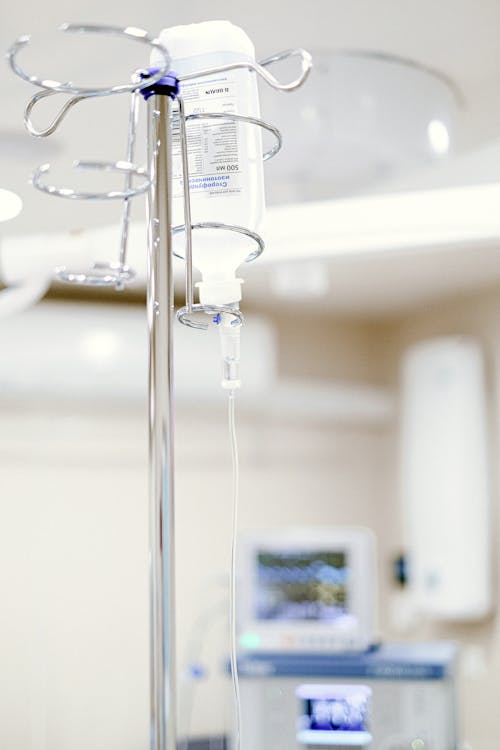
IV hydration achieves 100% bioavailability by delivering fluids directly to the bloodstream, bypassing GI absorption entirely. Oral rehydration under ideal conditions takes 30+ minutes, and absorption drops significantly when nausea is present. For tourists experiencing moderate to severe dehydration, IV therapy can restore function in 30-45 minutes vs. 2-4 hours for oral intake. (PMC/NIH)
How to Prevent Dehydration in Cabo (A Practical Daily Protocol)
The best treatment for dehydration is preventing it in the first place.
Here's the simple routine I recommend to guests who want to enjoy Cabo without losing a day to fatigue, headaches, or heat exhaustion.
Before You Head Outside
Start your day with 16–20 oz (500–600 mL) of water before leaving your room. Beginning the day well hydrated gives your body a buffer before the heat, sun, and activity begin.
While You're in the Sun
Drink water consistently throughout the day rather than waiting until you're thirsty. In hot environments, thirst is often a late sign that you're already behind on fluids.
If you've been sweating for several hours, consider adding an electrolyte drink, not just plain water, to help replace the sodium and minerals you're losing.
A Local Cabo Tip
One of my favorite local hydration options is an Agua Mineral Preparada, also called a Suero or Rusa. It's a simple combination of mineral water, fresh lime/lemon juice, and a pinch of salt. You'll find versions of it at many local restaurants and beach bars, and it's a refreshing way to replace fluids and electrolytes while enjoying the Cabo lifestyle.
If You're Drinking Alcohol
Alternate each alcoholic drink with a full glass of water. It won't completely offset alcohol's dehydrating effects, but it can significantly reduce how far behind you fall.
At the First Sign of Symptoms
Don't ignore a headache, dry mouth, unusual fatigue, muscle cramps, or dizziness. These are often your body's early warning signs that you're becoming dehydrated. Start replacing fluids and electrolytes before symptoms worsen.
If You've Spent the Day Outdoors
Many guests recover well with water, electrolytes, good food, and a restful evening.
But if you've fallen significantly behind, are struggling to keep up with fluids, or want to feel your best before dinner or the next day's activities, a hydration IV can be a practical way to restore fluids quickly and get back to enjoying your vacation.
The goal isn't to chase dehydration. It's to stay ahead of it.
book a mobile IV session in Los Cabos
Frequently Asked Questions
How quickly does IV hydration work?
IV hydration delivers fluids directly into the bloodstream, bypassing the digestive system. Many guests begin noticing improvement during their session, with most feeling meaningfully better by the time the infusion is complete. A standard hydration session typically takes 45–60 minutes.
Can you come to my hotel or villa?
Absolutely. Liquid Lounge is a fully mobile concierge IV therapy service throughout Los Cabos. We bring everything needed directly to your hotel, villa, Airbnb, yacht, or vacation rental, allowing you to relax in the comfort of your own space.
We recommend confirming any visitor or access policies with your hotel or property manager before your appointment.
Is Cabo more dehydrating than other beach destinations?
Yes. Los Cabos combines desert heat, low humidity, intense UV exposure, and nearly year-round sunshine. The cooling ocean breeze makes many visitors feel comfortable, but it can also mask how much fluid they're losing throughout the day.
How do I know if it's dehydration or just a hangover?
The symptoms often overlap, including headache, fatigue, nausea, dizziness, and brain fog. In Cabo, dehydration is frequently a major contributor, especially after a day in the sun or alcohol consumption. Addressing hydration is often one of the first and most effective steps toward feeling better.
How much water should I drink each day?
Hydration needs vary based on your activity level, body size, and time spent outdoors. As a general guideline, most visitors should aim for at least 3–4 liters of water per day, increasing that amount if they're exercising, spending extended time in the sun, or drinking alcohol. Don't wait until you're thirsty, drink consistently throughout the day.
You Came Here to Enjoy Cabo, Not to Spend It Recovering
The good news is that dehydration is both predictable and treatable.
You don't have to lose an afternoon. You don't have to miss the sunset. And you don't have to accept feeling exhausted, foggy, or rundown as part of the Cabo experience.
One of the most rewarding parts of my job is seeing the moment guests realize how much better they feel once they're properly hydrated. It's often the difference between dragging yourself through dinner and genuinely enjoying the rest of your vacation.
The lesson is simple. Respect Cabo's climate. Stay ahead of your hydration. And if you do fall behind, know that you have options.
Ready to feel your best? We'll come directly to your hotel, villa, Airbnb, yacht, or vacation rental anywhere in Los Cabos, bringing professional, concierge IV therapy to you, so you can spend less time recovering and more time enjoying everything Cabo has to offer.
Nathan Brown, BSN, RN, is the founder of Liquid Lounge in Los Cabos, Mexico. With more than 10 years of clinical experience, he provides evidence-informed, personalized medical care in collaboration with trusted medical professionals, helping visitors and residents recover faster, feel their best, and enjoy more of Los Cabos.